Corsac fox
In the wide, wind-swept steppes surrounding the Baikonur Cosmodrome, another elusive resident roams mostly unseen: the corsac fox. Small, pale, and perfectly adapted to life in the semi-desert, this fox is one of the steppe’s most skillful survivors.
A fox of the open steppe
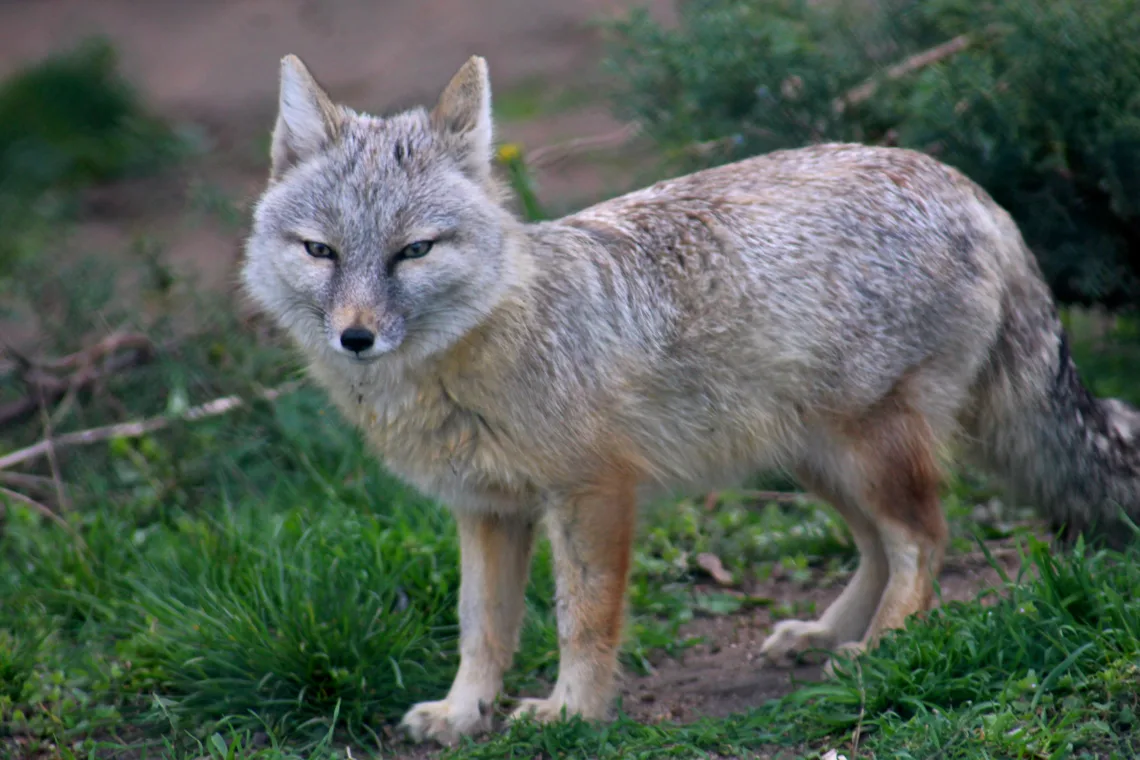
The corsac fox (Vulpes corsac) is built for the vast, treeless plains of Central Asia. With its light grey-yellow fur and slender body, it blends seamlessly into the dry grasses and sandy soils of the region. Compared to other foxes, it has longer legs and larger ears—features that help it detect prey and regulate body temperature in an environment where shade is scarce.
Rather than digging its own shelter from scratch, the corsac fox often takes over abandoned burrows made by other animals. These dens provide protection from predators and from the extreme climate, where summer heat and winter cold can be equally unforgiving. Like many steppe creatures, it is most active at night, when temperatures drop and the степь comes alive with movement.
Life beside a spaceport
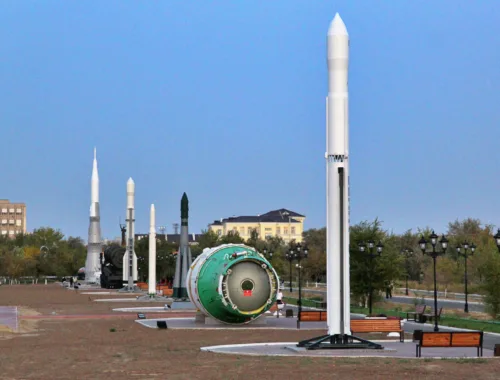
The presence of the corsac fox near Baikonur creates a striking contrast between wilderness and technology. As rockets rise into orbit, these quiet hunters move through the grasslands below, searching for rodents, insects, and small birds. Their lives continue largely undisturbed by the occasional thunder of launches, a reminder that nature adapts even in the most unexpected places.
Unlike larger predators, corsac foxes avoid conflict. When threatened, they rely on speed and stealth, sometimes freezing in place to blend into their surroundings before slipping away unnoticed.
Survival in a changing landscape
Although still widespread across parts of Central Asia, corsac fox populations have declined in some areas due to hunting, habitat loss, and disease. In the past, they were heavily hunted for their soft fur, which was valued in regional trade. Today, conservation measures and changing attitudes have helped reduce this pressure, but the species still depends on stable steppe ecosystems to thrive.
In Kazakhstan, efforts to protect native wildlife and preserve степь habitats are essential not only for the corsac fox but for the many other species that share this fragile environment.
A quiet spirit of the steppe
Living in the shadow of one of humanity’s greatest technological achievements, the corsac fox remains a symbol of adaptability and quiet resilience. It does not roar, dig deep burrows like the tortoise, or draw much attention—but it endures, moving lightly across the степь as it has for centuries, a subtle yet vital part of the natural world around Baikonur.

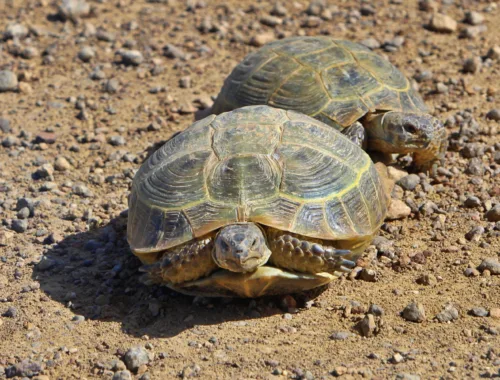
Four-clawed tortoise