Bactrian camel
Across the vast steppe and semi-deserts of southern Kazakhstan, near the legendary Baikonur Cosmodrome, one of the most iconic animals of Central Asia still roams: the Bactrian camel. With its two humps and calm, enduring presence, it is a living symbol of survival in one of the harshest environments on Earth.
A giant of the steppe
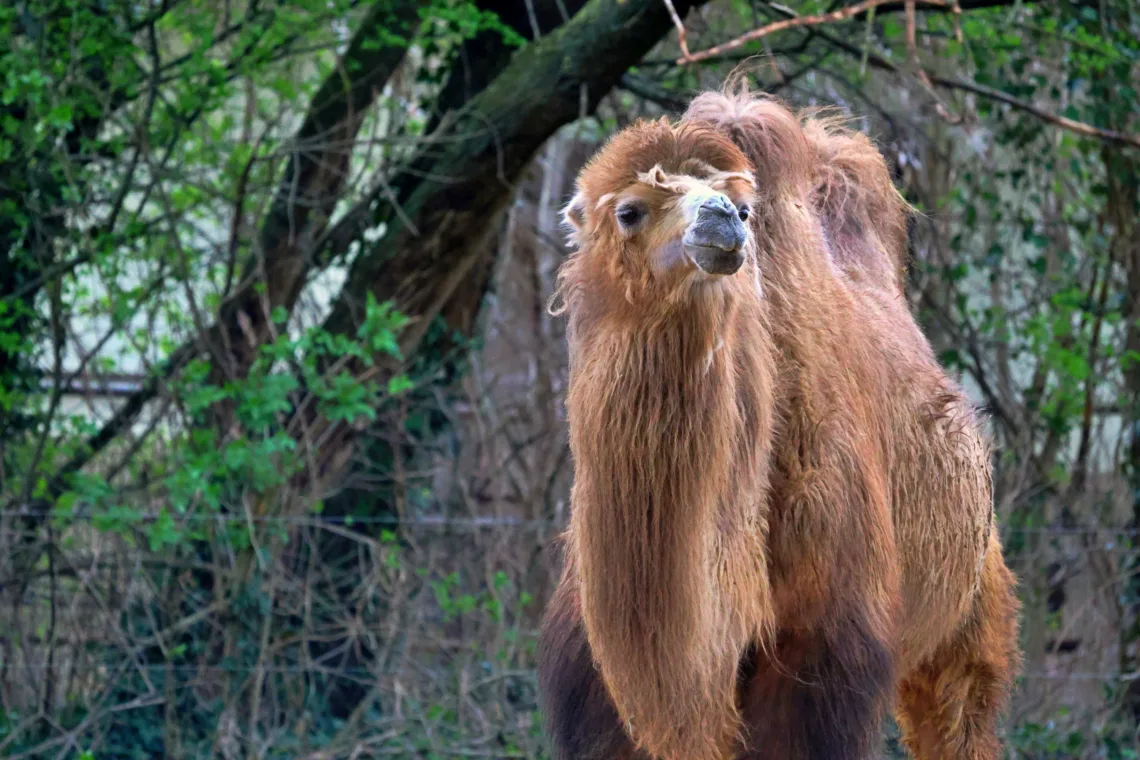
The Bactrian camel is uniquely adapted to the extreme conditions of Central Asia. Unlike its single-humped relative, it carries two humps that store fat—an energy reserve that allows it to survive long periods without food or water. This makes it perfectly suited to the dry steppe and desert landscapes around Baikonur.
Its thick coat protects it from bitter winter cold, while in summer it sheds much of this fur to cope with intense heat. Broad, padded feet prevent it from sinking into sand, and its ability to close its nostrils shields it from dust storms. Few animals are as well equipped to handle such dramatic seasonal changes.
A familiar visitor near the launchpads
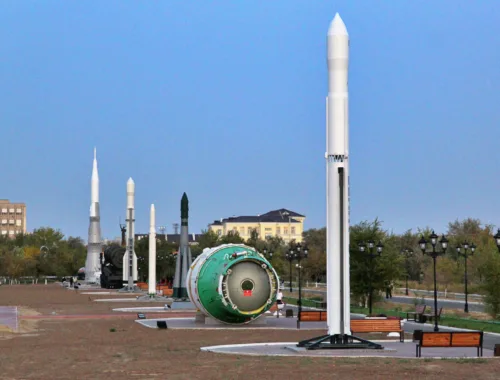
The sight of Bactrian camels wandering near Baikonur creates a surreal and memorable image. As rockets stand ready for launch, these ancient animals move slowly across the horizon, often grazing on sparse vegetation or resting in the open steppe.
Many of these camels are domesticated, belonging to local herders who have relied on them for centuries for transport, milk, and wool. Yet around Baikonur, they often appear almost wild—quiet observers of human activity, seemingly unfazed by the roar of engines and the spectacle of spaceflight.
A deep connection to human history
For thousands of years, Bactrian camels have been essential to life in Central Asia. They once carried goods along the Silk Road, linking distant civilizations across deserts and mountains. Their endurance made long-distance trade possible, shaping the cultural and economic history of the region.
Even today, in parts of Kazakhstan, they remain an important part of traditional life. Camel milk, known as shubat, is a staple in local cuisine, valued for its nutritional properties.
Endurance in a modern world
While domesticated Bactrian camels remain common, their wild relatives are critically endangered. Habitat loss and competition with livestock have reduced their numbers dramatically in the wild. Protecting these animals and their ecosystems is crucial to preserving a unique piece of Central Asia’s natural heritage.
In Kazakhstan, ongoing efforts to balance development with conservation help ensure that these resilient creatures continue to thrive alongside human progress.
A timeless companion of the steppe
In the shadow of rockets and steel towers, the Bactrian camel stands as a reminder of a much older world—one defined not by speed and technology, but by patience and endurance. As it crosses the landscapes around Baikonur, it connects past and present, embodying the spirit of the степь: resilient, enduring, and quietly magnificent.